


AI reshapes video production in 2026

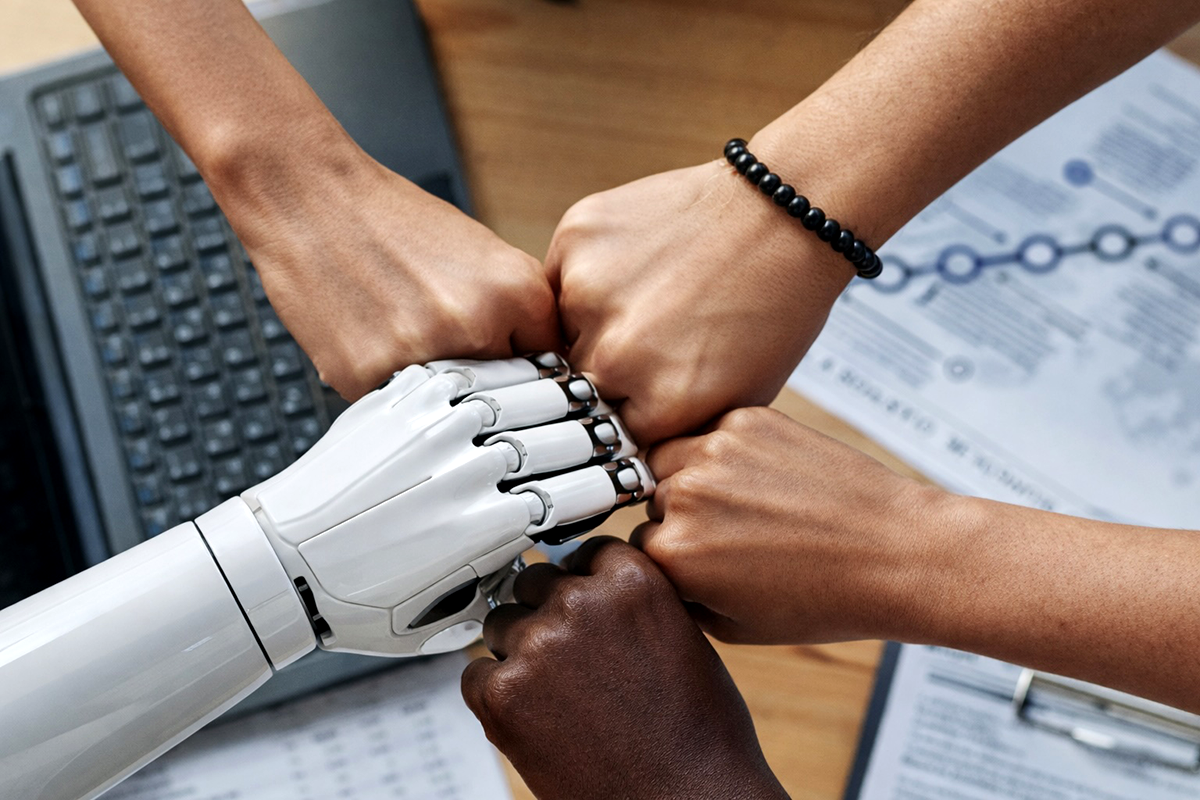
The shift has already happened.
As recent as 2025 (a mere few months ago) the use of AI in video production felt experimental. Now, it’s already “simply part of the toolkit”. From automating editing tasks to scripting and subtitles, the way productions are planned, created and delivered has fundamentally changed.
What is important to note (at least at this point in time), is that it’s not about replacing creative teams or production agencies or good old humans. It’s about augmenting and working faster and smarter, and sometimes to work more strategically with the same or smaller budgets. And that’s where we get excited!
At Zoomfilms we see AI as a powerful buddy-system and lean on it for augmentation of our ideas and automation of mundane tasks. Used properly, it removes friction from the process and lets us focus on what actually matters: storytelling, business goals, brand and audience impact.
We share our learning and key insights here
1. Pre-Production: Use AI for research and as an always-on virtual production assistant
AI tools now handle large parts of what used to be manual work for our production team. Analysing competitor video content and strategies, identifying optimum formats, generating first-draft scripts and even all those pesky location searches and flight/car bookings to make a shoot happen.
The biggest benefits are speed and clarity. Instead of starting from a blank page, or having to look at a dozen aggregator or competitor sites, we get smart jumping off points to make informed creative decisions before a camera is ever turned on.
But AI still lacks brand context, and often market context. It doesn’t understand your specific audience, tone or goals. Experienced creative directors and producers remain essential to turn AI outputs into meaningful production plans and strategy.
2. Production: Let AI make your shoots smarter and elevate your output
Contrary to popular belief, AI isn’t eliminating filming but making it more efficient. AI tools can suggest shot lists , predict what visuals will retain attention and optimise filming schedules. This means tighter briefs and better use of time on set or in studio.
To use a practical example, more and more we’ve been using static assets and introducing AI to turn them into dynamic, story-driven visuals. Arguably it requires a proper heave-ho from our skilled editors to get the best from it, but it’s getting quicker and easier. AI is already very helpful for transforming limited or existing client imagery into fully-realised moving scenes.
3. Post-Production: Where AI saves the most time
Editing is where AI has made the biggest impact. Tasks like rough cuts, auto-subtitling, format resizing and cleaning up sound can now be handled in minutes instead of hours. This allows our teams to spend their time refining narrative, pacing and emotional impact rather than technical admin. Quality will always depend on human judgement. AI can assemble content, but it can’t feel or experience it and it can’t reflect the nuances your brand and business need.
The Risk: Over-automation and over-reliance
AI itself isn’t the biggest threat to human-created brand content in 2026. The threat is an over-reliance on AI, and inflating it’s capabilities, expecting it to do more than it can or should.
When brands lean on generic AI templates and pluck content wholesale from chatbots and coding assistants, it starts to look identical (yes you Canva), sound the same (yes you ChatGPT) and lose memorability, depth and brand truth.
Audiences are already becoming immune to synthetic content. The smarter way is to use AI behind the scenes, not as the visible face of storytelling.
Coming into 2026 Zoomfilms mostly use AI to:
- simplify our workflows (research, trends, scheduling)
- speed up admin (note-taking, collating expenses, travel arrangements)
- improve efficiency (speeding up routine editing tasks, writing drafts, brainstorming)
- enhance delivery (creating quick wins with special effects and sound engineering)
- stretch client budgets (using existing and static imagery in new, imaginative ways)
In professional video production in 2026, it’s about knowing what it’s good at and letting it inform better creative, human decisions. If you’re exploring how AI can improve your video output without compromising quality, and without becoming bland, let’s talk and show you where and how automation will help.
Related Articles




zoomfilms
AGENCY

